


Views: 0 Author: Site Editor Publish Time: 2026-08-04 Origin: Site


TL;DR:
Choosing the right glass door hinges fitting involves matching hinge type to glass thickness, door weight, and installation environment. Key factors include material grade (stainless steel 304 or 316), load capacity, and finish. Working with a reputable manufacturer ensures consistent quality, proper certification, and long-term reliability.
Glass doors add a clean, modern look to any space—but their performance depends almost entirely on the hardware holding them together. A frameless shower enclosure, a commercial office entrance, a sleek interior partition—each one relies on hinges that can handle daily stress without warping, rusting, or loosening over time.
Yet many buyers, whether they're contractors, interior designers, or procurement managers, underestimate how technical this selection process can be. The wrong hinge can compromise safety, void a warranty, or simply look out of place. The right one quietly does its job for years.
This guide breaks down everything you need to know about selecting, comparing, and sourcing the best glass door hinges fitting for your project.
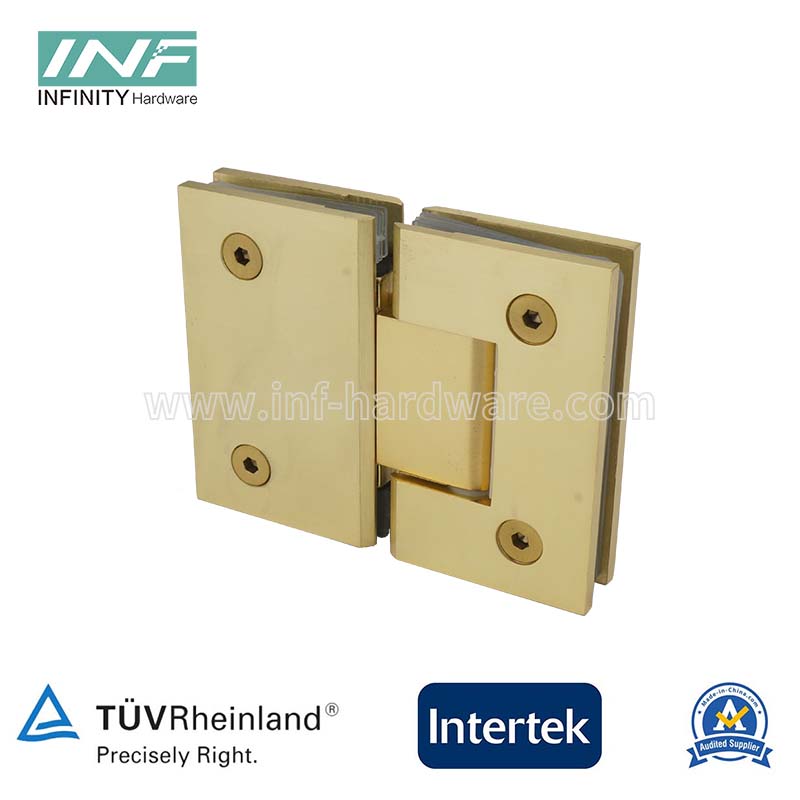
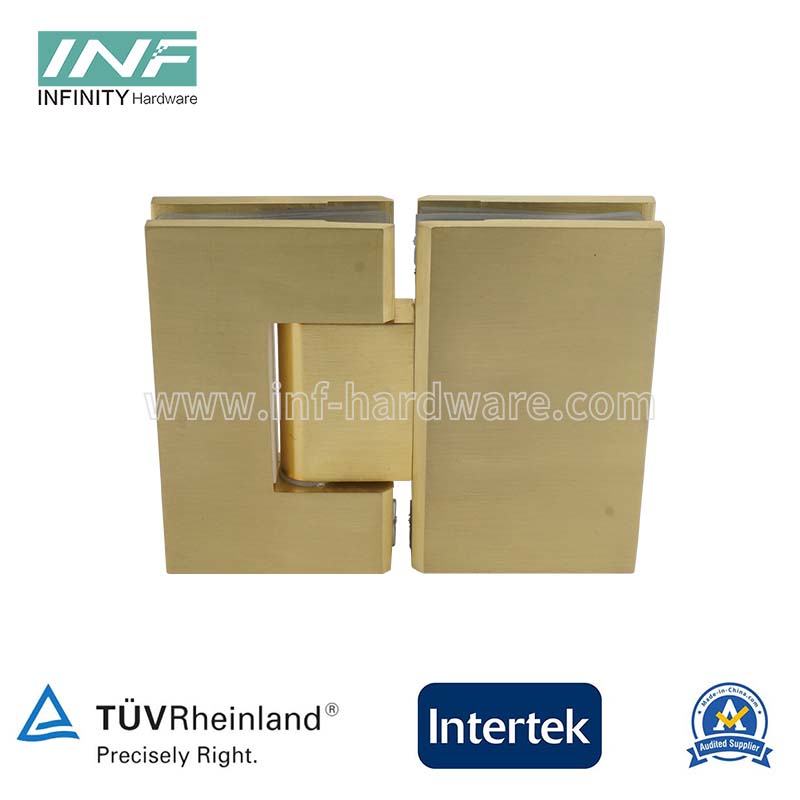
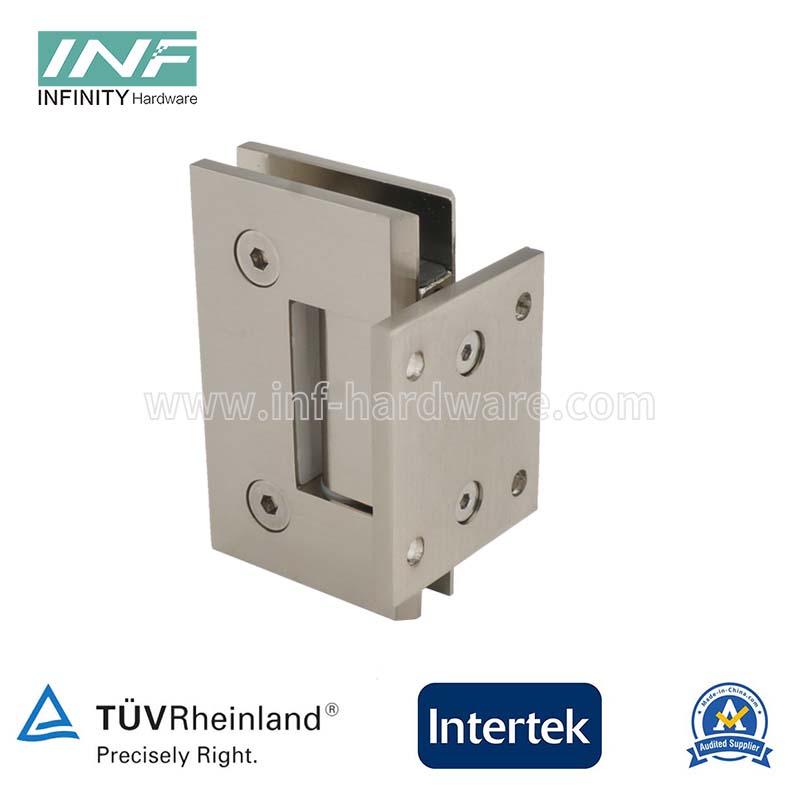
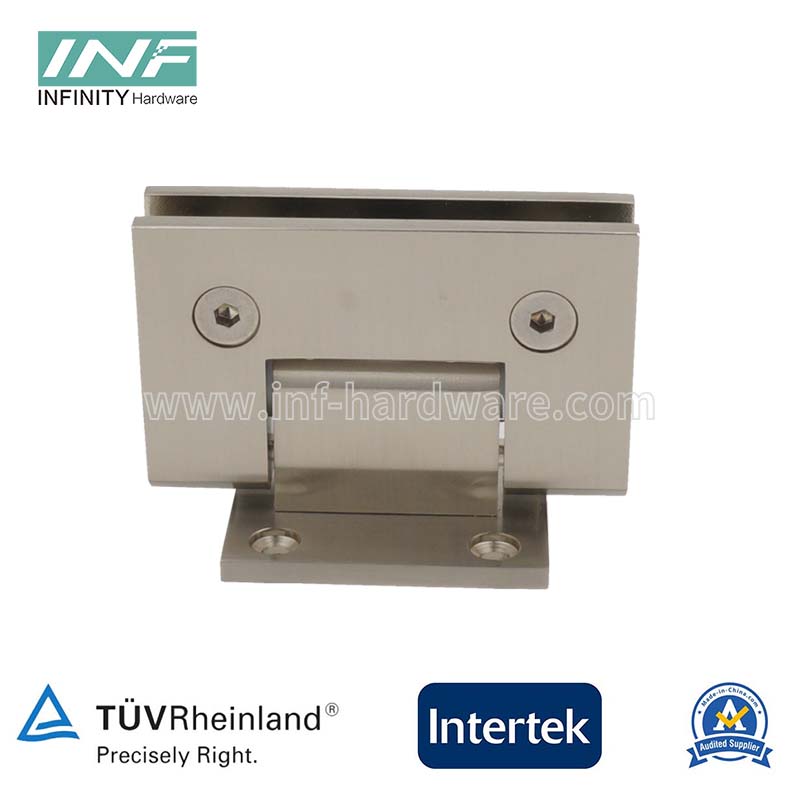
Not all hinges are interchangeable. Each type serves a specific function, and matching the right style to your application is the first decision you need to make.
Patch hinges are among the most widely used options for frameless glass doors. They attach directly to the glass surface using a clamping mechanism, creating a clean, hardware-forward look. They're common in shower enclosures, office partitions, and storefronts.
Pivot hinges sit at the top and bottom of the door rather than on the side. They work well for heavy glass panels and large commercial doors, distributing weight more evenly across the frame.
Wall-to-glass hinges mount on one side to a wall or fixed panel and on the other to the glass. These are standard in walk-in shower installations where one panel is stationary.
Glass-to-glass hinges connect two glass panels directly. They're the go-to choice for frameless shower enclosures with multiple panels at various angles—typically 90° or 135°.
Each configuration has different load requirements, opening angles, and installation methods. Knowing your project specs before you shop saves significant time and cost.
Glass thickness is one of the most critical variables in any glass door hinges fitting decision. Most residential and commercial glass doors use panels between 8mm and 12mm thick, though some architectural applications go up to 19mm.
Here's a quick reference:
Glass Thickness | Typical Application | Recommended Hinge Load Capacity |
|---|---|---|
8mm | Shower enclosures, interior partitions | Up to 30 kg per pair |
10mm | Commercial office doors, storefronts | Up to 50 kg per pair |
12mm | Heavy-duty commercial, exterior doors | Up to 80 kg per pair |
15mm–19mm | Architectural, structural glass | 100 kg+ per pair |
Using a hinge rated below the actual door weight creates stress on both the glass and the hardware—leading to premature failure, cracking, or dangerous sagging. Always factor in the weight of the glass panel, not just its thickness.
Material grade determines how well a hinge holds up over time, especially in wet or humid environments.
Stainless steel 304 is the standard for most indoor applications. It offers solid corrosion resistance, a clean appearance, and good tensile strength. Most shower hinges in residential settings use SS304.
Stainless steel 316 contains added molybdenum, making it significantly more resistant to chloride and saltwater corrosion. It's the preferred choice for coastal properties, commercial pools, and any environment with heavy chemical exposure.
Brass and zinc alloy hinges are also available and are often used for decorative applications where chrome or brushed gold finishes are desired. However, they generally have lower load tolerances than stainless steel alternatives.
As a trusted manufacturer and one of the leading shower hinges suppliers in China, INF Hardware produces its full hinge range in SS304 and SS316 grades, with surface treatments including brushed, mirror-polished, matte black, and PVD gold finishes. Every product undergoes quality assurance testing before leaving the factory floor.
Sourcing the right manufacturer is just as important as selecting the right product. For project managers and procurement teams buying at volume, supplier reliability directly affects timelines, costs, and end-user safety.
Key evaluation criteria include:
Certifications: Look for ISO-certified factories or those with recognized quality management systems. These signal consistent production standards.
Product range: A supplier with a broad catalog—covering hinges, handles, clamps, patch fittings, and sliding systems—can serve as a single source for complex projects.
Customization capability: Some projects require non-standard opening angles, custom finishes, or bespoke load ratings. A capable manufacturer should accommodate these requests.
Technical support: Pre-sale consultation and post-sale support reduce installation errors and warranty issues.
Lead times and MOQ: Understand minimum order quantities and production timelines before committing, especially for time-sensitive builds.
INF Hardware, based in Jiangmen, Guangdong Province, operates a large-scale production facility with thousands of square meters of floor space and experienced engineering teams. The company serves clients across residential, commercial, and architectural sectors, supplying everything from standard shower hinges to complete sliding door systems and custom ironmongery solutions.
Even the best hardware fails when installation is rushed or poorly planned. A few technical details that frequently get overlooked:
Torque settings matter. Over-tightening clamp-style fittings can stress the glass and cause microfractures. Always follow the manufacturer's torque specifications.
Allowance for glass expansion. Glass expands slightly with temperature changes. Fittings need to accommodate minor movement without cracking the panel.
Wall substrate compatibility. Wall-to-glass hinges are only as strong as the surface they're anchored to. Tile over drywall may not provide sufficient support for heavy glass doors. A structural backing plate is often required.
Alignment during installation. Misaligned hinges cause uneven closing, excess wear on seals, and potential water leakage in shower applications. Use a level throughout the process.
If you're sourcing glass door hinges for a large project, request installation guides or technical drawings from your supplier. INF Hardware provides detailed product documentation to support professional installers and reduce on-site errors.
Getting the hinge selection right at the start avoids costly rework, warranty claims, and safety concerns down the line. Match your hinge type to the application, verify load ratings against actual glass weight, specify the correct material grade for the environment, and work with a supplier who can back their products with technical documentation and quality assurance.
INF Hardware offers a comprehensive range of glass door hardware solutions for buyers worldwide. To explore the full product catalog or submit an inquiry, visit www.inf-hardware.com or contact the team directly at info@inf-hardware.com.
A glass-to-glass hinge connects two glass panels directly to each other, commonly used in frameless shower enclosures where panels meet at an angle. A wall-to-glass hinge mounts one side to a fixed wall or structural element and the other side to the glass panel. The choice depends on the layout of the installation and whether a fixed wall anchor point is available.
Check the hinge's rated load capacity (usually listed in kilograms per pair) and compare it to the actual weight of your glass panel. Glass weight depends on its thickness and dimensions. As a general rule, always choose a hinge with a capacity that exceeds your calculated door weight by at least 20% to allow for dynamic loads from opening and closing.
SS304 performs well in most residential shower environments. However, if the shower is in a coastal area, exposed to high humidity, or regularly cleaned with harsh chemical products, SS316 offers better long-term corrosion resistance due to its higher molybdenum content.
Many modern patch and pivot hinges include micro-adjustment features that allow minor vertical and horizontal corrections without removing the hardware. This is particularly useful for correcting slight misalignments after initial installation. Check the product specifications before purchasing if post-installation adjustability is a priority.
Prioritize suppliers with verifiable manufacturing certifications, a documented quality control process, and the ability to provide technical support. Confirm lead times, minimum order quantities, and whether customization is available. Request product samples before committing to a large order.


