


Views: 0 Author: Site Editor Publish Time: 2026-01-26 Origin: Site


Have you ever wondered about the simple yet essential hardware that allows your doors to swing open and close smoothly? Chances are, you've encountered a butt hinge countless times without giving it a second thought. This common piece of hardware is fundamental to many applications, from interior doors to cabinets. More specifically, it plays a critical role in the functionality of modern bathrooms as a primary type of shower hinge. The butt hinge is a cornerstone of door mechanics, and understanding its function is key, especially when dealing with specialized installations like glass shower door hinges.
This guide will delve into everything you need to know about the butt hinge. We will explore its basic design, its various types, and its crucial applications. We'll pay special attention to its use as a shower hinge and why it's a popular choice for glass shower door hinges. By the end, you'll understand how this powerful little component works and what makes it so reliable.

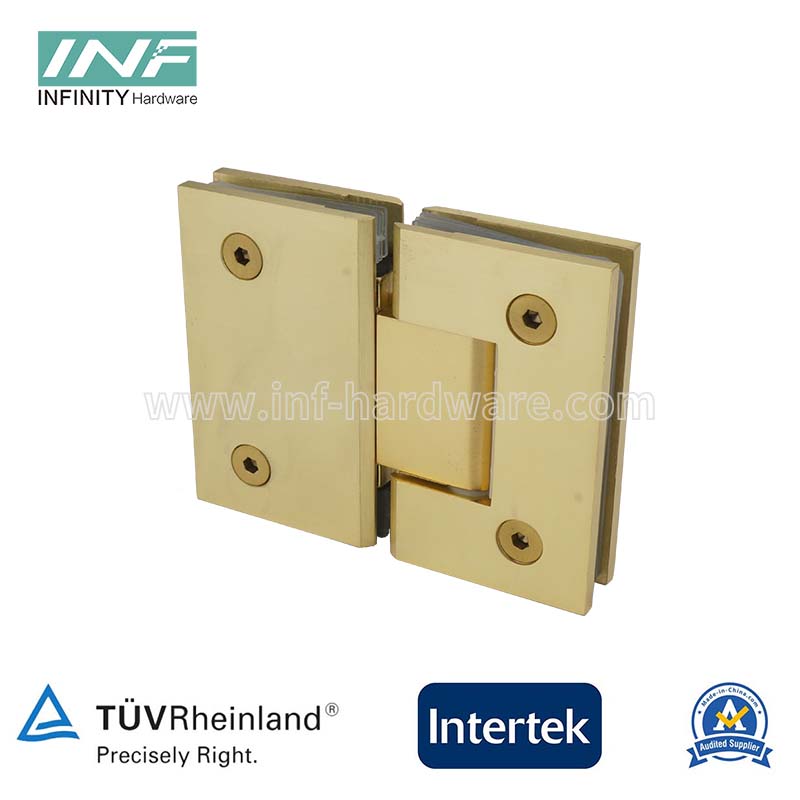
At its core, a butt hinge consists of two rectangular metal plates, known as leaves, joined together by a central pin and knuckle system. When the door is closed, these leaves "butt up" against each other, which is where the name originates. One leaf is mortised, or recessed, into the door frame, while the other is mortised into the edge of the door. This simple yet robust design allows for smooth, pivoting movement and provides strong support for the door's weight. The effectiveness of a butt hinge is evident in its widespread use. From heavy wooden entry doors to lightweight cabinet doors, its design provides stability. When it comes to bathroom design, a high-quality butt hinge is essential for a functional shower hinge. For frameless glass doors, specialized glass shower door hinges based on the butt hinge principle are required to handle the unique material and environment. The reliability of a good butt hinge cannot be overstated.
While the basic concept remains the same, the butt hinge comes in several variations to suit different needs. Each type offers specific features for various applications, including its use as a shower hinge.
Plain Butt Hinge: This is the most basic and common type of butt hinge. It’s ideal for lightweight interior doors that do not see heavy traffic. It is a simple, effective, and economical choice. Ball-Bearing Butt Hinge: For heavier doors or those used frequently, a ball-bearing butt hinge is the superior option. It contains small ball bearings between the hinge knuckles to reduce friction. This results in a much smoother and quieter operation. This feature makes it an excellent candidate for a durable shower hinge or robust glass shower door hinges. Rising Butt Hinge: This clever design causes the door to rise slightly as it opens. This is useful for doors that need to clear a thick carpet or an uneven floor. As the door closes, gravity helps it shut securely. Spring-Loaded Butt Hinge: Also known as a self-closing hinge, this type of butt hinge includes a spring mechanism that automatically closes the door. This is often required for fire doors and is a convenient feature for many other applications, including some types of shower hinge systems to ensure the door doesn't hang open.
Choosing the right type of butt hinge depends entirely on the door's weight, frequency of use, and any special functional requirements. For a glass shower, a ball-bearing or spring-loaded butt hinge would provide the best performance.
The bathroom environment presents unique challenges for hardware. Constant exposure to moisture, steam, and temperature changes requires components that are exceptionally durable and resistant to corrosion. This is where the butt hinge shines, particularly when engineered as a dedicated shower hinge.
High-quality glass shower door hinges are typically made from solid brass or stainless steel. These materials are naturally resistant to rust and corrosion, ensuring a long service life. The strong, simple design of the butt hinge provides the necessary support for heavy glass panels, which is a primary concern for frameless shower enclosures. A well-made butt hinge designed for this purpose will maintain its structural integrity and appearance for years, making it a reliable choice for any modern bathroom. The stability offered by a butt hinge is critical for the safety and function of glass shower door hinges.


While the butt hinge is incredibly versatile, it is not the only option available. Understanding its advantages and disadvantages compared to other types can help you make an informed decision, especially when selecting a shower hinge or glass shower door hinges
Feature | Butt Hinge | Pivot Hinge | Concealed Hinge (Euro Hinge) |
|---|---|---|---|
Visibility | Visible on the edge of the door when closed. | Mostly hidden; visible at the top and bottom of the door. | Completely hidden when the door is closed. |
Installation | Requires mortising into both the door and frame. | Installed at the top and bottom of the door and frame. | Requires a circular hole drilled into the back of the door. |
Weight Capacity | Good to excellent, especially ball-bearing types. | Excellent; ideal for very heavy or oversized doors. | Good; suitable for standard cabinet doors. |
Best Use Case | Standard doors, cabinets, and as a shower hinge. | Frameless glass doors, large architectural doors. | Modern, minimalist cabinetry. |
Adjustability | Limited; shims may be required for alignment. | Some models offer multi-directional adjustments. | Highly adjustable in three dimensions (height, depth, side-to-side). |
For most standard door applications, the butt hinge offers a perfect balance of strength, simplicity, and cost-effectiveness. When considering glass shower door hinges, both the butt hinge and pivot hinge are excellent choices. The decision often comes down to aesthetic preference and the specific design of the shower enclosure. The durability of a quality butt hinge makes it a frequent selection for a premium shower hinge.
Installing a butt hinge correctly is crucial for a properly functioning door. While the process can be done by a DIY enthusiast, precision is key.
Marking the Positions: First, you must determine the placement of the hinges on the door and the frame. Typically, one butt hinge is placed near the top and another near the bottom. A third may be added in the middle for heavier doors. Creating the Mortises: The next step is to chisel out the recesses, or mortises, for each hinge leaf. The depth of the mortise should match the thickness of the leaf, allowing it to sit flush with the wood. This is the most critical step for a professional finish. Attaching the Hinge Leaves: Once the mortises are cut, you can screw the hinge leaves into place. One leaf is attached to the door, and the other is attached to the frame. Connecting the Door: Finally, the door is lifted into position, and the two parts of the butt hinge are joined by inserting the pin.
For glass shower door hinges, the process is different as you cannot cut mortises into glass. These specialized glass shower door hinges are designed to clamp securely onto pre-drilled holes in the glass panel. This requires precise measurements and manufacturing of the glass itself, so installation is often best left to professionals. A poorly installed shower hinge can compromise the entire enclosure. The integrity of the butt hinge design is essential for these frameless systems.


For a shower hinge, the best materials are solid brass or stainless steel (typically grade 304 or 316). Both are highly resistant to rust and corrosion, which is essential in a wet environment. These materials ensure that your glass shower door hinges will remain functional and look great for years.
For most standard interior doors (up to 80 inches tall), two butt hinges are sufficient. For heavier doors, or those over 80 inches, using three butt hinges is recommended to provide extra support and prevent warping. For glass shower door hinges, the number depends on the weight and size of the glass panel, but two or three is common.
Replacing another hinge type with a butt hinge is possible, but it may require significant work. You will likely need to create new mortises in both the door and the frame, and you may have to fill in the old screw holes and recesses. It is often easier to replace hinges with the same type.
A quality spring-loaded butt hinge should not be noisy. They are designed for smooth, controlled closing. If you notice squeaking or grinding, it may be a sign of low quality, improper installation, or a need for lubrication. This applies to any shower hinge as well.
To maintain your glass shower door hinges, you should clean them regularly with a soft cloth and a non-abrasive cleaner. This prevents the buildup of soap scum and mineral deposits. Avoid harsh chemicals that could damage the finish. A well-maintained shower hinge, especially a butt hinge style, will operate smoothly for a long time.
The butt hinge is a testament to timeless engineering. Its simple design provides unmatched reliability for a wide range of applications, from your bedroom door to your shower enclosure. Whether you need a standard butt hinge for a home project or specialized glass shower door hinges, understanding its function and types is key. A quality shower hinge ensures safety, functionality, and longevity for your bathroom.
For top-quality butt hinge solutions, including a wide selection of premium shower hinge and glass shower door hinges, we recommend exploring the offerings from a trusted supplier.
For your hardware needs, consider inf-hardware.
Email: info@inf-hardware.com
Phone: +86-139 2903 9188


