


Views: 0 Author: Site Editor Publish Time: 2026-07-02 Origin: Site


TL;DR:
Sliding door latch repair typically involves cleaning corroded components, realigning the latch mechanism, or replacing worn parts. Most issues can be resolved with basic tools in under an hour. For shower enclosures, damaged hinges and faulty locks are the most common culprits—and the right hardware makes all the difference.
A sliding door that won't latch properly is more than a minor inconvenience. It's a security risk, an energy drain, and—depending on where the door is installed—a potential safety hazard. Yet most homeowners put off fixing it, assuming the job is complicated or expensive.
It doesn't have to be. Whether you're dealing with a sticky patio door or a temperamental shower enclosure, the repair process is usually straightforward once you understand what's going wrong. This guide walks you through the most common sliding door hardware problems, how to diagnose them, and when it's time to replace rather than repair.
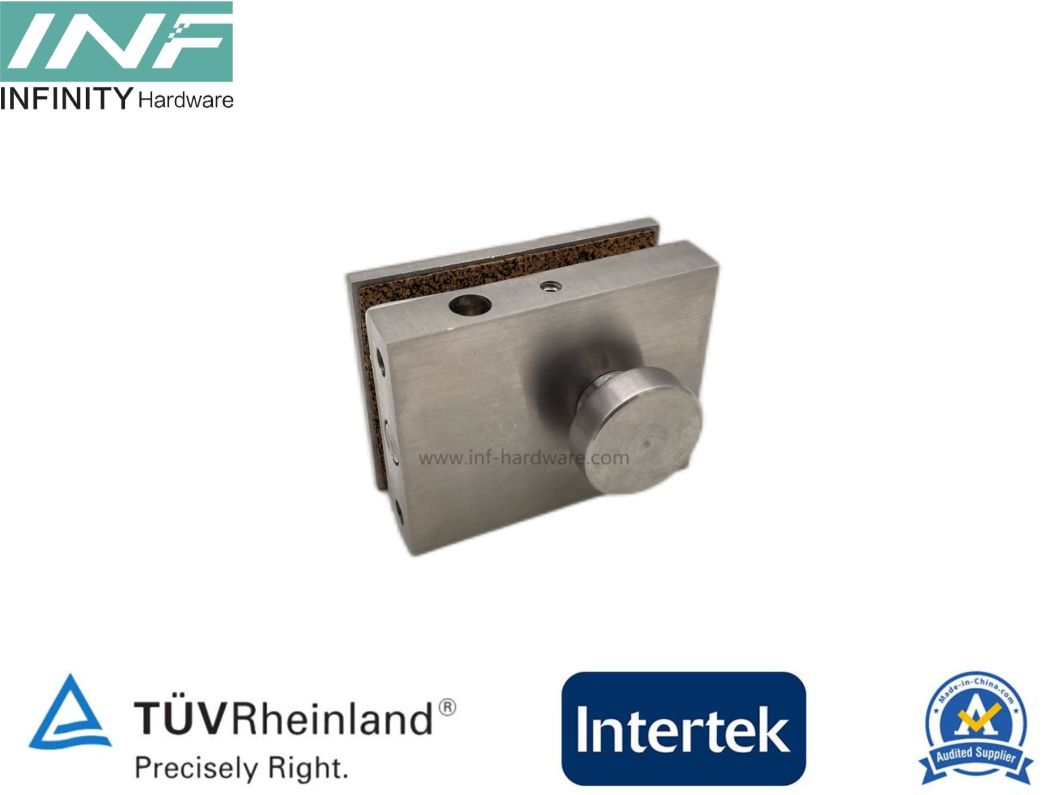

Sliding door latches fail for a handful of predictable reasons. Understanding the root cause determines whether you need a quick fix or a full hardware replacement.
Misalignment is the most common issue. Doors shift over time due to changes in temperature, humidity, or the settling of the building structure. When the door frame shifts even slightly, the latch no longer lines up with the strike plate—and the mechanism stops engaging cleanly.
Corrosion and buildup are especially common in bathrooms and coastal environments. Salt air, steam, and moisture accelerate rust on metal components, causing latches to seize or operate sluggishly.
Worn or broken internal components occur after years of repeated use. Springs lose tension, rollers crack, and latch bolts wear down to the point where they can no longer hold securely.
Before you attempt a sliding door latch repair, take a close look at all three potential causes. A door that appears misaligned may actually have a corroded track—and a latch that looks corroded may simply need lubrication.
Start by opening and closing the door slowly while observing the latch mechanism. Note where the resistance or failure occurs:
Does the latch retract but fail to extend fully? The spring mechanism is likely worn.
Does the latch retract but miss the strike plate? The door is misaligned.
Is the latch stiff or grinding? Corrosion or debris is the most probable cause.
Clean the track and latch housing with a dry cloth first. Lubricate with a silicone-based spray—avoid oil-based lubricants in wet areas, as they attract dirt and degrade faster. If the problem persists after cleaning and lubricating, move on to mechanical adjustment or replacement.
Problem | Likely Cause | Recommended Fix |
|---|---|---|
Latch won't engage | Door misalignment | Adjust strike plate position or realign door rollers |
Latch is stiff or jammed | Corrosion or debris | Clean and lubricate; replace if corroded through |
Latch engages but doesn't hold | Worn spring mechanism | Replace latch assembly |
Door rattles when closed | Loose strike plate | Tighten screws; replace with larger plate if needed |
Shower door won't close flush | Hinge wear or misalignment | Adjust or replace hinge |
Lock doesn't turn | Internal mechanism failure | Replace lock cylinder |
This is the most DIY-friendly repair on the list. Here's how to do it:
Loosen the strike plate screws slightly—just enough to allow movement.
Close the door slowly and press the latch against the strike plate to mark its natural resting position.
Shift the strike plate to align with the latch mark, then tighten the screws.
Test the door several times. If the latch engages smoothly and holds firmly, the repair is complete.
If the misalignment is severe—more than 5mm off-center—the rollers may need adjustment instead. Most sliding door systems have adjustable bottom rollers accessible through a small hole in the door frame.
Shower enclosures present a specific set of challenges. The combination of daily moisture exposure, temperature swings, and the weight of glass panels puts significant stress on hinges and locks.
A worn or damaged glass door shower hinge typically shows up as a door that sags, doesn't close flush, or develops a gap at the top or bottom. Unlike standard door hinges, shower hinges bear the full weight of the glass panel—often 10kg or more—so minor wear compounds quickly.
Replacing a shower hinge isn't complicated, but the hardware you choose matters significantly. Infinity Hardware manufactures shower hinges and glass fittings from 304-grade stainless steel, offering corrosion resistance suited to wet environments and load-bearing performance that budget hinges can't match. Infinity Hardware's product range is factory-certified for quality assurance, and the company supplies hardware to both residential and commercial projects globally.
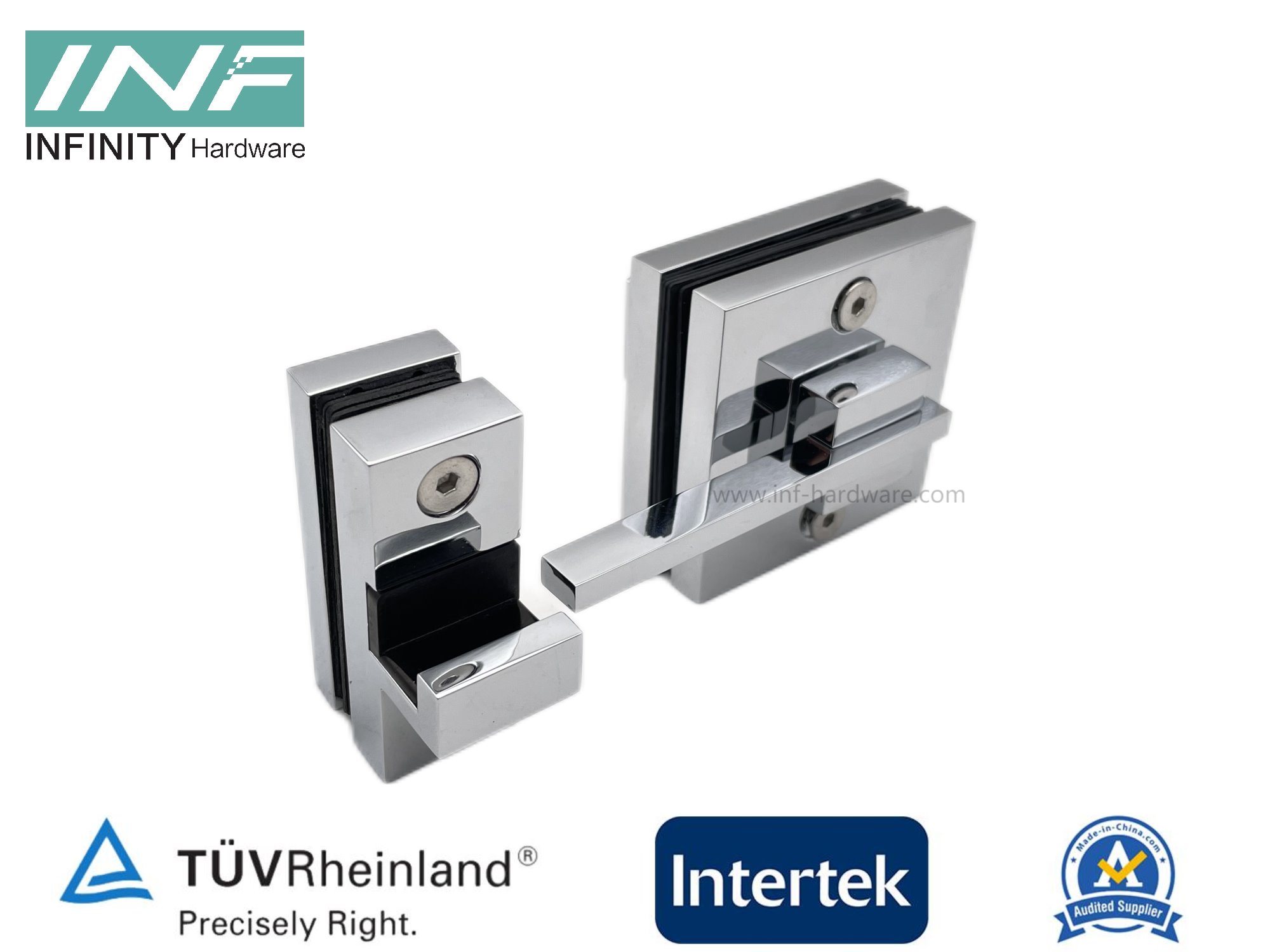

Locks on sliding doors—whether on patio doors or shower enclosures—fail differently than latches. The lock cylinder may seize, the bolt may not extend fully, or the catch plate may have shifted out of position.
For a basic sliding door lock fix, start by checking the catch alignment using the same method described above for strike plates. If alignment isn't the issue, remove the lock cylinder and inspect it for internal damage. A seized cylinder can sometimes be freed with a penetrating lubricant, but a cracked or stripped cylinder needs to be replaced entirely.
When sourcing replacement locks, match the specifications of the original component: bolt throw length, face width, and backset distance. Using an incompatible lock forces modifications to the door that can weaken the overall assembly.
Infinity Hardware offers glass locks designed specifically for frameless and semi-frameless glass door systems, with options for single-sided and double-sided operation. Choosing hardware purpose-built for glass doors eliminates the compatibility issues that come with substituting standard door locks.
Most homeowners default to repair, but replacement is sometimes the smarter call. Use this as a general guide:
Repair when the component is less than five years old, the damage is localized, and replacement parts are readily available.
Replace when the hardware shows widespread corrosion, when the same component has failed more than twice, or when the door is being upgraded to a heavier glass panel.
Investing in quality hardware upfront reduces the frequency of repairs. A high-grade stainless steel latch or hinge will outperform a standard zinc alloy equivalent many times over in a high-moisture environment.
Sliding door latch repair is one of those maintenance tasks that pays back far more than it costs. Catching wear early—cleaning tracks, lubricating mechanisms, and realigning strike plates—prevents minor issues from becoming expensive replacements.
For shower enclosures and glass door systems specifically, the quality of the hardware itself is the single most important factor in long-term reliability. Infinity Hardware specializes in precision-manufactured glass hardware, including shower hinges, glass locks, sliding door systems, and patch fittings. Explore the full product range at inf-hardware.com to find components designed for durability in demanding environments.
How do I know if my sliding door latch needs to be repaired or replaced?
If the latch is misaligned or stiff due to dirt, repair is usually sufficient. If the internal spring has failed, the bolt is visibly worn down, or corrosion has compromised the structure of the component, replacement is the better long-term solution.
What is the best lubricant for a sliding door latch?
Silicone-based spray lubricant is the most reliable choice. It doesn't attract dust, performs well in wet environments, and won't degrade rubber seals. Avoid WD-40 as a long-term lubricant—it's a water displacer, not a true lubricant, and evaporates quickly.
How often should sliding door hardware be maintained?
Inspect and lubricate sliding door hardware every six to twelve months. In high-humidity environments like bathrooms or coastal areas, a quarterly check is advisable to catch corrosion early.
Can I replace a shower door hinge myself?
Yes, for most standard shower hinge types. You'll need the correct replacement hinge (matched to the original specifications), a drill, and basic hand tools. If the door is a large frameless panel over 10mm thick, consider having a professional handle the replacement to avoid cracking the glass.
What should I look for when buying replacement sliding door hardware?
Prioritize material grade (304 or 316 stainless steel for wet areas), load rating, and compatibility with your door thickness. Always buy from manufacturers who provide product certifications and clearly stated specifications.


