


Views: 0 Author: Site Editor Publish Time: 2026-07-14 Origin: Site


TL;DR:
A sliding door lock that sticks, rattles, or fails to latch is usually caused by misalignment, worn latch components, or a damaged hinge. Most issues can be resolved with basic tools and the right replacement hardware. Knowing which part to fix—and when to upgrade entirely—saves both time and money.
Sliding doors are one of the most used features in any bathroom or home office, and the hardware holding them together takes a beating every single day. A lock that won't catch, a latch that jams halfway, or a door that scrapes the frame on every close—these aren't just annoyances. They're signs that something mechanical has worn down and needs attention.
The good news? Most sliding door hardware problems follow predictable patterns. Once you understand what's causing the issue, a sliding door lock fix is usually straightforward—even for someone without a background in home repair. This guide walks through the most common failure points, how to address them, and when it makes more sense to replace a component than patch it.
Before reaching for a screwdriver, it helps to understand what's actually going wrong. Sliding door locks fail for a handful of consistent reasons:
Misalignment: Over time, doors shift on their tracks. When the door no longer sits at the correct height or angle, the lock bolt can't meet its strike plate properly.
Worn latch springs: The spring inside a latch mechanism loses tension over years of compression. A weak spring means the latch no longer snaps into place with enough force.
Corrosion or debris: Moisture, especially in shower enclosures, accelerates rust and mineral buildup inside lock cylinders and latch housings.
Loose mounting screws: Vibration from daily use causes screws to back out gradually, letting the lock body shift out of position.
Identifying the root cause matters. Tightening a loose screw takes two minutes. Replacing a corroded cylinder takes considerably longer.
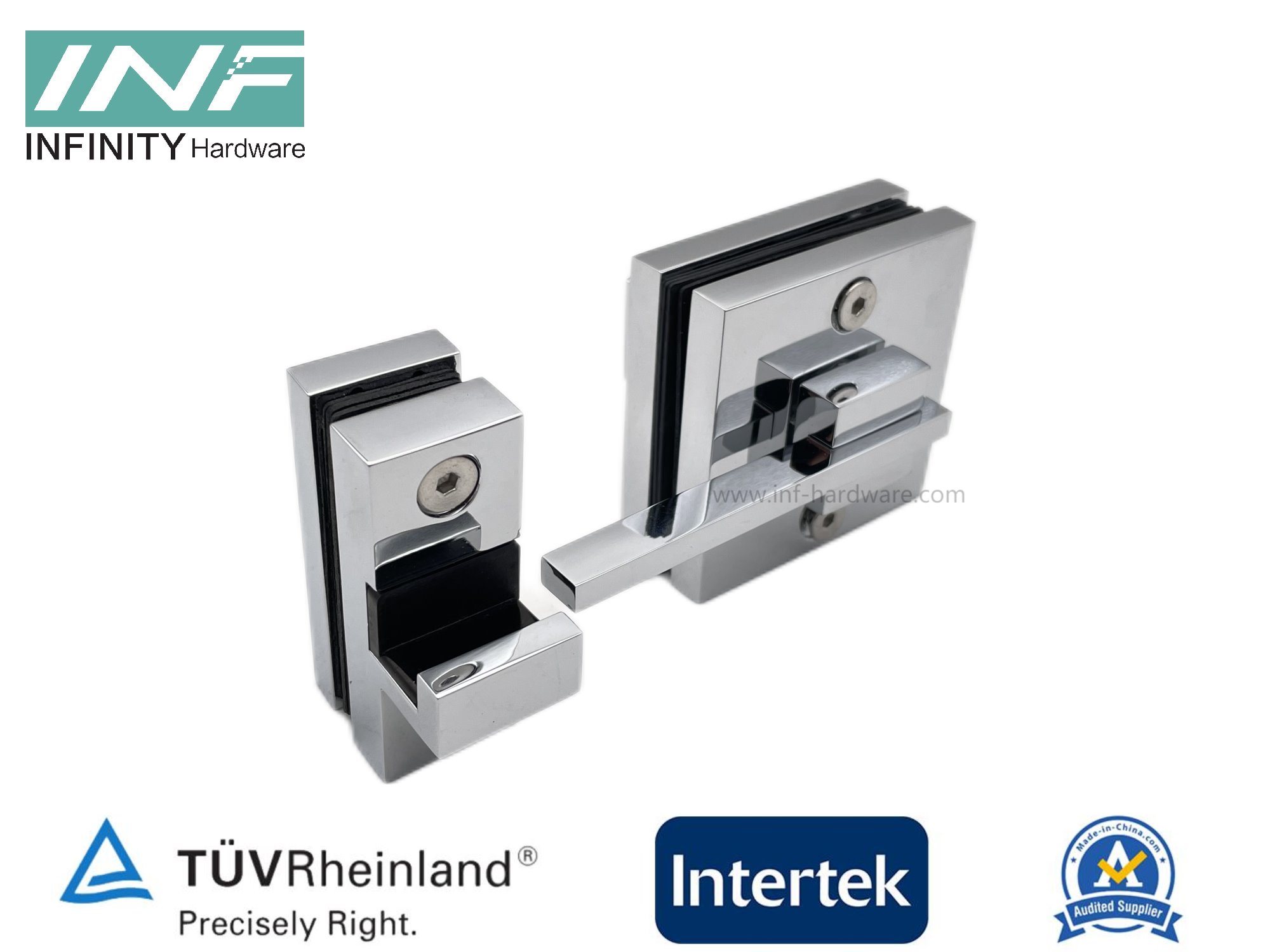
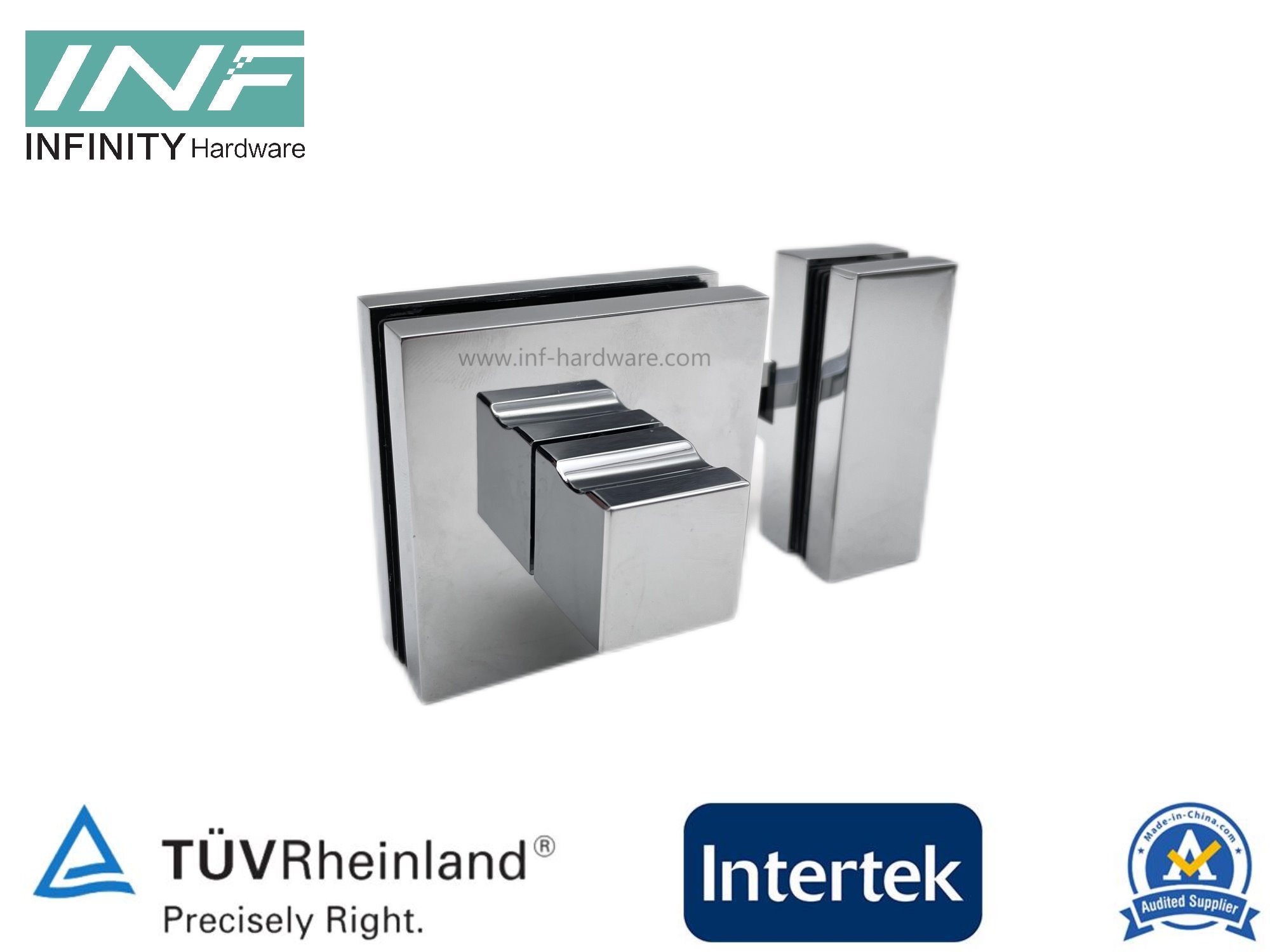
A quick visual inspection tells you a lot. Close the door slowly and watch what happens when the latch meets the strike plate. Does it catch cleanly, glance off to one side, or stop short entirely? Each behavior points to a different fix.
Symptom | Likely Cause | Suggested Action |
|---|---|---|
Latch misses strike plate | Door misalignment or shifted track | Adjust track position or relocate strike plate |
Latch catches but won't hold | Worn spring mechanism | Replace latch assembly |
Lock cylinder is stiff | Corrosion or debris inside cylinder | Clean and lubricate, or replace cylinder |
Lock body moves when pushed | Loose mounting screws | Retighten screws; apply thread-locking compound |
Door scrapes on close | Hinge wear or frame warping | Inspect and adjust or replace hinge |
Latch sticks in open position | Broken return spring | Replace latch unit entirely |
This table covers the most common scenarios for both interior sliding doors and glass shower enclosures. Note that glass shower doors present additional challenges because the hardware must resist constant humidity—standard interior-grade components often corrode faster in those conditions.
A lock problem is sometimes a hinge problem in disguise. When a hinge wears down or shifts, the entire door panel drops or tilts slightly. That small change in angle is enough to throw the lock out of alignment with its strike plate.
For glass shower enclosures in particular, hinge quality directly affects how long every other hardware component lasts. A precision-engineered Glass Door Shower Hinge distributes the door's weight evenly, reducing stress on the lock mechanism and latch. Cheaper hinges flex under load, which accelerates wear on every connected part.
At INF Hardware, shower hinges are manufactured from 304 stainless steel with corrosion-resistant finishes—specifically designed for the wet environments that cause standard hardware to fail prematurely. If hinge wear is contributing to your lock issues, upgrading the hinge is often the most effective long-term solution rather than continuing to adjust a lock that keeps slipping out of position.
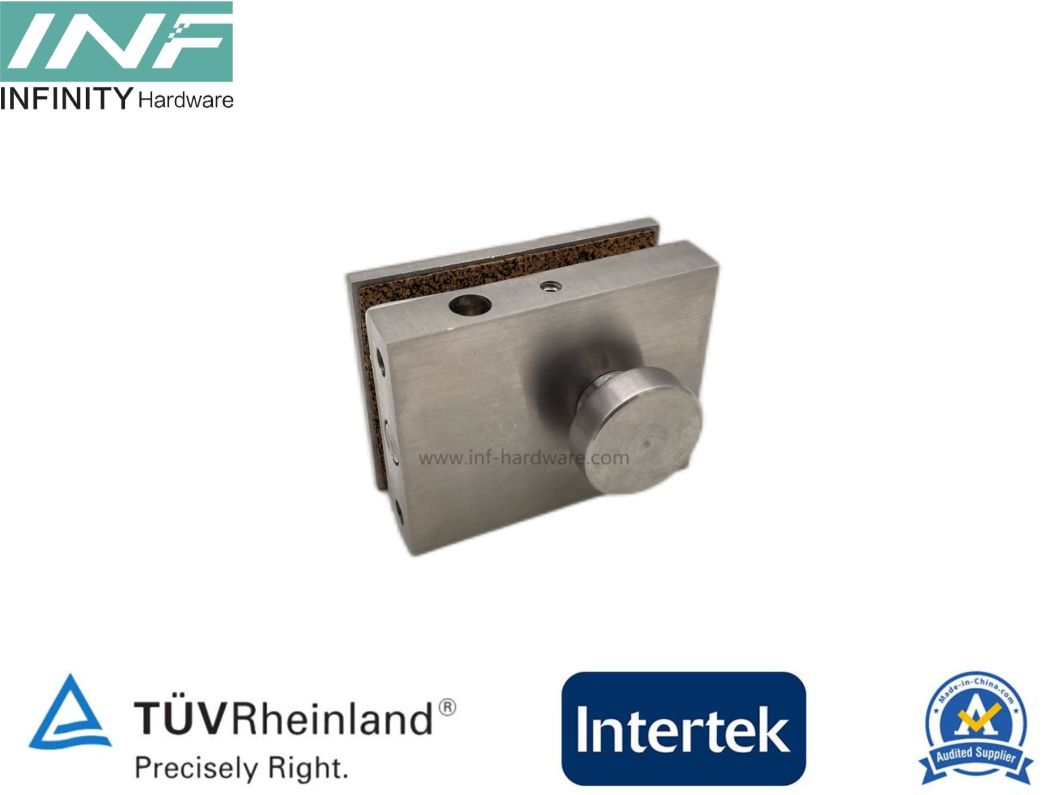
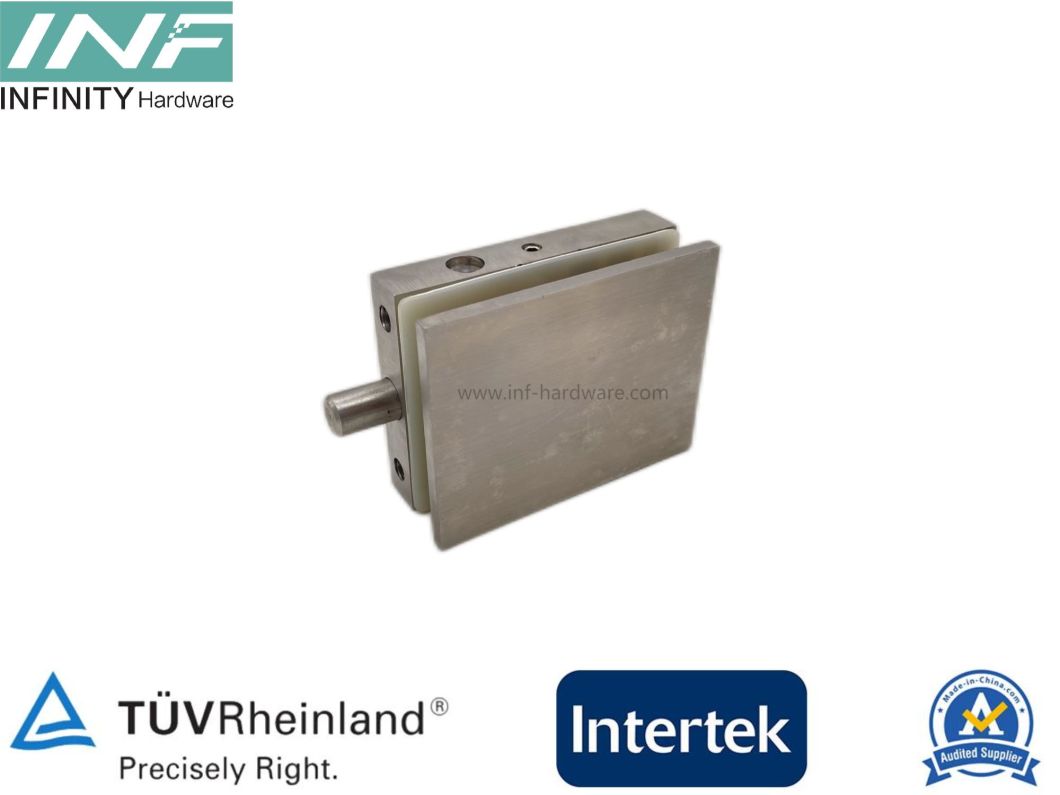
Once you've identified misalignment as the cause, the fix usually involves one of two approaches: adjusting the door's position on the track, or relocating the strike plate.
Adjusting the track:
Remove the door from the track by lifting it upward and angling the bottom outward.
Check the rollers. If they're worn flat or cracked, replace them before reinstalling.
Reinstall the door and test the lock alignment.
Relocating the strike plate:
Mark the correct position by coating the latch bolt with chalk or lipstick, then closing the door to transfer the mark to the frame.
Unscrew the existing strike plate and move it to align with the mark.
Fill the old screw holes with wood filler if necessary, then remount.
This process works for most interior sliding doors. Glass shower door systems require different techniques because the strike plate is typically mounted on glass or a metal frame—a situation where hardware quality becomes critical.
A latch that no longer springs back reliably is worth replacing outright. Repairing a worn latch spring is technically possible but rarely cost-effective—the components are inexpensive, and a full replacement takes less time than disassembly and spring repair.
Proper sliding door latch repair starts with sourcing a compatible replacement unit. Measure the existing latch backset (the distance from the door edge to the center of the latch bolt) and match it precisely. An incorrect backset means the new latch won't align with the existing strike plate cutout.
INF Hardware's sliding door system range includes latch and lock components engineered for both residential and commercial applications. The product line covers a variety of door thicknesses and glass specifications, which simplifies sourcing when dealing with frameless shower doors or custom glass partitions.
Hardware quality determines how long any repair holds. Stainless steel 304 and 316 grades resist corrosion significantly better than zinc alloy or plated steel alternatives. For bathroom and shower applications, the difference in lifespan between grades can be measured in years rather than months.
INF Hardware specializes in glass door and sliding door hardware for exactly these environments. With a production facility in Jiangmen, Guangdong, and a product system built around bathroom hardware and glass fittings, the company supplies components that meet the demands of high-humidity, high-use installations. Their range spans shower hinges, glass locks, patch fittings, and complete sliding door systems—making it practical to source matched components from a single supplier rather than mixing brands with inconsistent tolerances.
Some sliding door lock failures signal a bigger structural issue. If the door frame has warped, the track has bent, or the glass has developed stress cracks near the hardware, a simple lock fix won't address the underlying problem. In those cases, a full hardware assessment—and likely a component upgrade—is the right call.
The same logic applies to older installations where hardware has simply reached the end of its service life. Continuing to repair aging components costs more over time than replacing them with modern, higher-quality alternatives.
The most frequent causes are door misalignment, a worn latch spring, corrosion inside the lock cylinder, and loose mounting screws. Identifying which applies to your situation before starting repairs saves significant time.
If the lock bolt consistently misses the strike plate, check the hinge first. A worn or shifted hinge causes the door panel to drop or tilt, which misaligns the lock. Fixing the hinge often resolves the lock issue without any work on the lock itself.
Most latch repairs are DIY-friendly. Replacing a worn latch unit requires basic tools and accurate measurements of the backset distance. Professional help is advisable if the door frame is warped, the glass is cracked, or the track requires structural adjustment.
304 or 316 stainless steel is recommended for bathroom and shower applications. These grades resist the corrosion caused by constant humidity far better than zinc alloy or chrome-plated steel options.
High-grade stainless steel hardware from reputable manufacturers lasts 10–20 years under normal residential use. Cheaper alloy components in humid environments may fail within 3–5 years.
INF Hardware (inf-hardware.com) offers a comprehensive range of sliding door systems, glass locks, shower hinges, and related fittings suitable for both residential and commercial installations. Their products are manufactured in Guangdong, China, and are available for direct inquiry.


