


Views: 1 Author: Site Editor Publish Time: 2025-06-11 Origin: Site


Door hinges are integral to every home, quietly performing their duty by holding doors in place and enabling smooth movement. If you've encountered problems like squeaky doors, misaligned hinges, or are embarking on a DIY door installation project, understanding how to handle door hinges is key. This guide explores how to adjust, install, and remove door hinges efficiently. Along the way, we'll also touch upon specialized options like cabinet door hinges and hidden door hinges, giving you a complete understanding of this essential hardware.
Before digging into the details, let's understand what a door hinge is. A hinge is a joint made of two plates that are interconnected by a pin. These plates are fixed to the door frame and the door, allowing for rotation and providing smooth swing action. There are various types of hinges, including standard, concealed (commonly referred to as hidden door hinges), and specialized cabinet door hinges.


| Type | Description |
|---|---|
| Standard Hinges | Most common; seen on internal/external doors. |
| Hidden Door Hinges | Concealed inside the frame for a sleek look. |
| Cabinet Door Hinges | Specifically designed for cupboards and cabinets. |
If your door is sticking or dragging on the floor, adjusting the hinges can resolve the issue. Here's how you can do it:
Open and close the door to pinpoint the exact issue. Dragging often indicates sagging hinges, while a poorly closing door may need re-alignment.
Use a screwdriver to tighten all screws on both the door frame and the door. Loose screws can cause misalignment or sagging.
Screws or hinges that are stripped can’t support the door properly. Replace them with new ones of the same size.
If your door still doesn’t sit right, use thin cardboard or plastic shims to reposition the hinge plate. Insert the shim under the hinge, then reattach the screws.
Open and close the door multiple times to ensure smooth operation. Adjust further if needed. Regular maintenance like cleaning grime off your hinges can also prevent alignment problems over time.
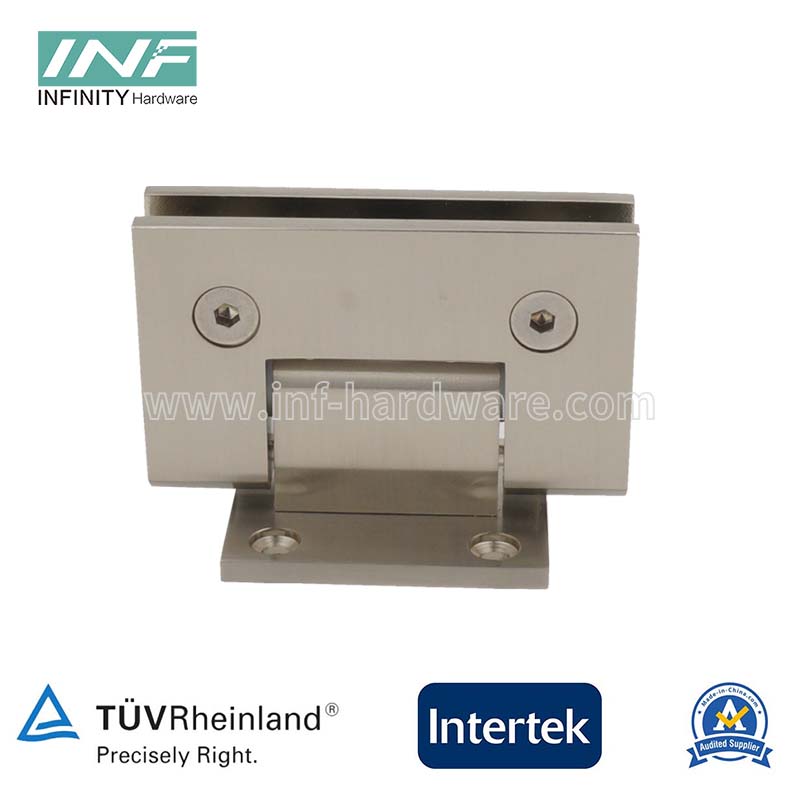
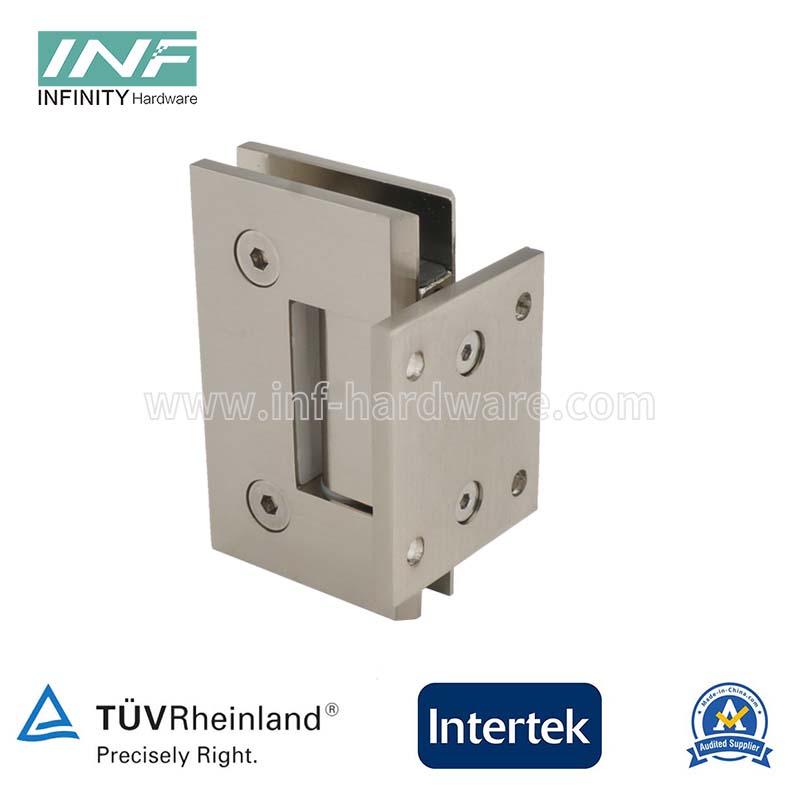
Installing hinges onto a new or existing door might sound intimidating, but it’s relatively straightforward. To do this, follow the steps below:
You’ll need door hinges (standard or specialized, such as hidden door hinges), screws, a screwdriver, a drill, and measuring tools.
Measure and mark 8-10 inches from the top and bottom of the door. Always ensure the distance between hinge placements is even for stability.
If you're installing standard hinges on a wooden door, chisel a shallow recess (known as a mortise) so the hinge fits flush with the door surface. This step is unnecessary for hidden door hinges.
Position the hinges on the door’s edge and attach them with screws.
Place the door in the frame and attach the hinges to the corresponding position on the frame. Use a level to ensure perfect alignment.
Open and close the door to confirm smooth movement. Make minor adjustments if necessary. For cabinet door hinges, the process is similar, though you may need to account for the specific design of cabinets, including concealed or soft-close mechanisms.
Removing a door is simpler than it seems. Whether it’s for replacement, repairs, or adjustments, this process can be completed in no time:
You’ll need a hammer, a screwdriver, and possibly a helper to hold the door.
Most standard door hinges have removable pins. For these, start by pushing the pin upward using a screwdriver and tapping with a hammer. If the hinge pin is stiff, apply a bit of lubricant.
Once the pins are out, carefully lift the door off the hinge plates. Ask a helper to assist in holding the door during this step, as doors can be heavy.
If you’re planning to reinstall the door later, store it in a dry, safe place to avoid warping or damage. Hidden door hinges may require removing the entire hinge plate from both the door and frame since they don’t have removable pins.
Look for signs like squeaking, rust, or loose hinges that can’t be tightened anymore. If your doors are creaky despite using lubricant, new hinges may be a good idea.
Yes, hidden door hinges are versatile but work best on modern and minimalist-style doors where aesthetics are a priority. Ensure your door can accommodate the design and weight requirements.
Yes, cabinet door hinges are often smaller and may include features like soft-close mechanisms for smoother operation.
Cleaning and lubricating hinges every six months can extend their lifespan and ensure smooth performance.


When it comes to high-quality door hinges, inf-hardware is your ultimate destination. From standard hinges to specialized cabinet door hinges and hidden door hinges, inf-hardware offers durable, dependable options that meet all your needs. Their customer support team is readily available to assist you with any queries. Contact Info:
Email: info@inf-hardware.com
Phone: +86-139 2903 9188
Upgrade your doors with premium-quality hinges today! Reach out to inf-hardware for expert assistance.


